
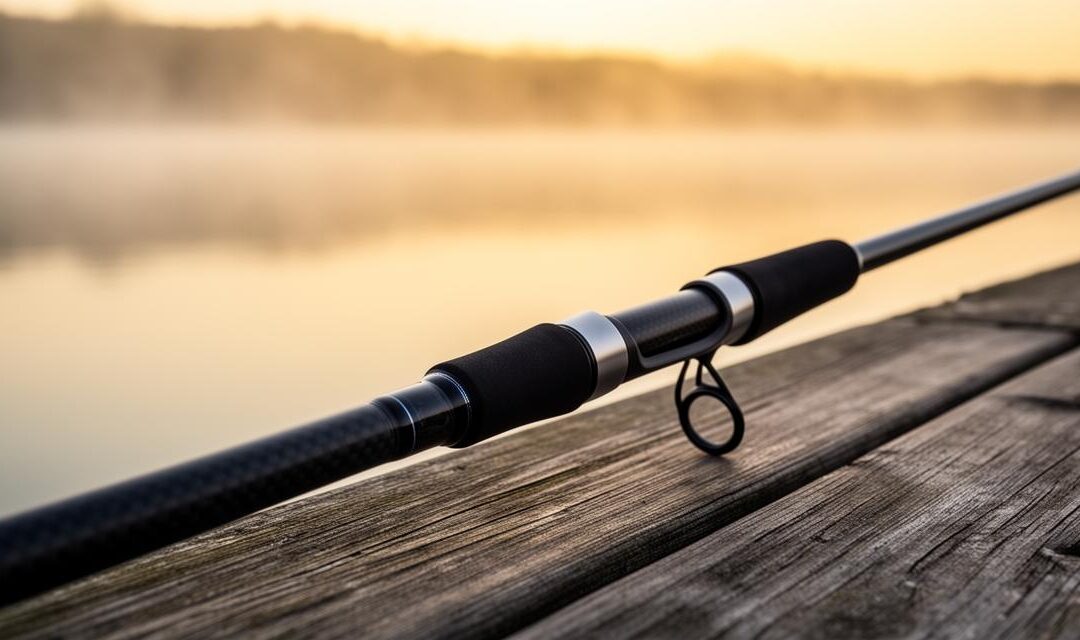
Embarking on your angling journey can feel overwhelming when faced with the sheer variety of fishing rods available today. The right rod can transform your fishing experience, making the difference between a frustrating outing and a memorable catch. Whether you're planning to cast a line in a quiet freshwater lake or brave the waves of saltwater surf, understanding the fundamentals of rod selection will empower you to make an informed choice that suits your specific needs and ambitions.
Understanding the Different Types of Fishing Rods
Fishing rods come in several distinct varieties, each designed with particular techniques and environments in mind. Recognising these differences is essential for beginners who want to match their equipment to their preferred style of angling. The most common types include spinning rods, baitcasting rods, fly fishing rods, and even specialised options for ice fishing. Each category offers unique advantages and limitations, making it crucial to understand what sets them apart before making your purchase.
Spinning Rods vs Casting Rods: What's the Difference?
Spinning rods and baitcasting rods represent two of the most popular choices among anglers, yet they serve different purposes and require distinct techniques. Spinning rods are characterised by their reel placement beneath the rod and their ease of use, making them ideal for beginners. These rods excel at casting lighter lures and baits with greater accuracy, and they are less prone to tangling compared to other types. The simplicity of the spinning reel mechanism allows novice anglers to focus on their technique rather than wrestling with complicated equipment.
Baitcasting rods, by contrast, feature a reel mounted on top of the rod and offer greater control and precision for experienced users. These rods are particularly effective when targeting larger species or when using heavier lures. However, they demand a higher level of skill to prevent backlash and line tangles. It is important to note that spinning reels should not be used on baitcasting rods, as the two systems are fundamentally incompatible. Understanding this distinction will help you avoid costly mistakes and ensure that your tackle works harmoniously together.
Specialised rods for specific fishing techniques
Beyond spinning and baitcasting options, there are rods tailored for more specialised fishing techniques. Fly fishing rods, for instance, are designed to cast lightweight flies using a unique back-and-forth motion. These rods are classified by weight, with a five-weight rod being well-suited for trout fishing, while heavier eight to ten-weight rods are recommended for bass and larger species. The length and flexibility of fly rods allow for delicate presentations that can entice even the most cautious fish.
For those who enjoy angling in colder climates, ice fishing rods provide a compact and portable solution. These rods are typically shorter and more robust, designed to withstand frigid temperatures and the demands of jigging through ice. Surf fishing rods, on the other hand, are much longer, often ranging from ten to fourteen feet, to achieve the casting distance required to reach deeper waters from the shore. Each specialised rod reflects a thoughtful design philosophy aimed at optimising performance in its intended environment.
Key features to consider when selecting your fishing rod
Once you have identified the type of rod that aligns with your fishing style, it is essential to examine the specific features that will influence your success on the water. These characteristics include rod action, power, length, and the materials used in construction. Each element plays a vital role in how the rod performs, from the sensitivity you feel when a fish bites to the distance you can cast your bait. Paying close attention to these details will ensure that your rod complements your technique and enhances your overall angling experience.
Rod action, power, and length: how they affect your catch
Rod action refers to where the rod bends when pressure is applied, and it is typically categorised as fast, medium, or slow. A fast action rod bends primarily near the tip, providing quick responsiveness and greater sensitivity. This makes fast action rods ideal for detecting subtle bites and setting the hook with precision. Medium action rods bend more towards the middle, offering a balance between sensitivity and flexibility that suits a wide range of fishing scenarios. Slow action rods, which bend along most of their length, are better suited for lighter lines and gentler presentations, making them a favourite for delicate species such as panfish.
Power, on the other hand, indicates the rod's ability to withstand pressure and is rated from ultra-light to ultra-heavy. An ultra-light rod is designed for small fish and light lures, while heavy and ultra-heavy rods can handle larger, more aggressive species. Beginners are often advised to start with a medium to medium-heavy power rod, as these provide versatility across various fishing conditions. A rod measuring six and a half to seven feet in length with fast action and medium-heavy power is frequently recommended for those just starting out, as it offers a reliable foundation for learning.
Rod length is another critical consideration, with options ranging from four feet to fourteen feet. Shorter rods provide greater control and are easier to manoeuvre in tight spaces, such as when fishing from a boat or in overgrown areas. Longer rods, however, allow for increased casting distance, which is particularly beneficial in surf fishing or when targeting fish that dwell far from the shore. The trade-off between control and casting distance means that your choice of length should reflect the specific conditions you expect to encounter most frequently.
Matching Your Rod with the Right Fishing Line and Reel
A fishing rod does not function in isolation; it must be paired with an appropriate reel and line to achieve optimal performance. The reel you choose should complement the rod's action and power, ensuring smooth operation and reliable control. Spinning reels are best suited for spinning rods, while baitcasting reels are designed exclusively for baitcasting rods. Attempting to mix these components can lead to poor performance and potential damage to your equipment.
Fishing line weight is equally important, as it must align with the rod's rated capacity. Rod markings typically indicate the recommended line weight and lure size, providing a clear guideline for selecting compatible tackle. Using a line that is too heavy for your rod can result in reduced sensitivity and casting distance, while a line that is too light may break under pressure. Many rods are versatile enough to be used in both freshwater and saltwater environments, but it is wise to consult the manufacturer's specifications to ensure durability and longevity.
Choosing the Perfect Rod for Your Fishing Conditions
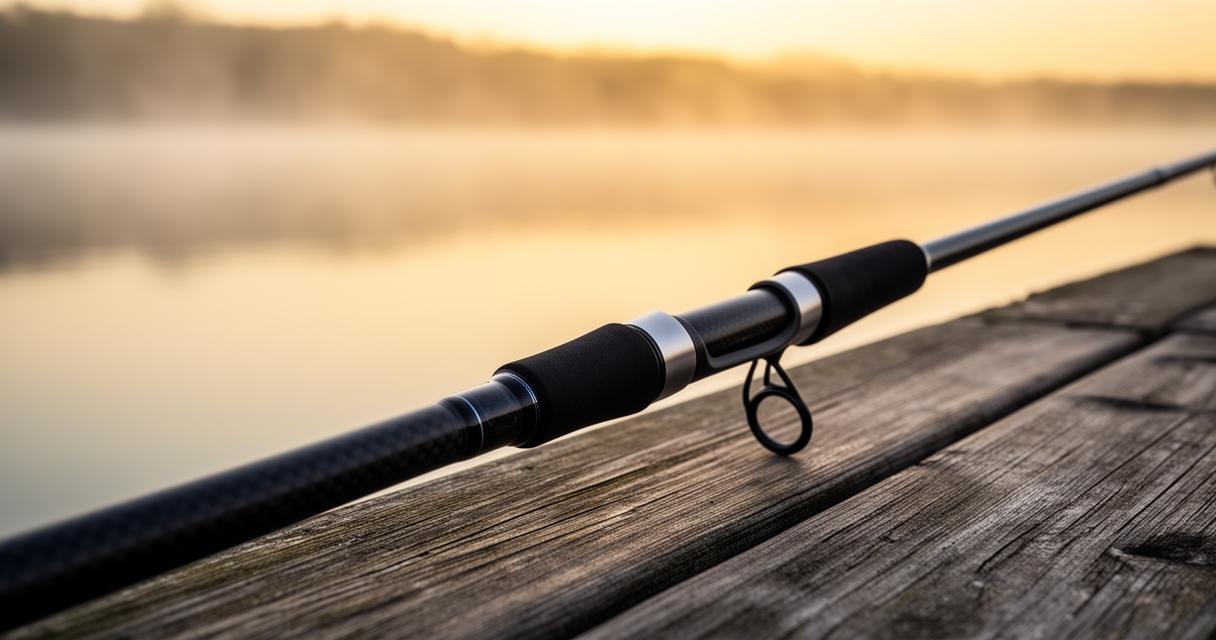
The environment in which you fish will significantly influence your choice of rod, as different species and water types demand specific approaches. Understanding the relationship between your target fish, the conditions of the water, and the characteristics of your rod will enable you to maximise your chances of success. Whether you are pursuing carp in a tranquil lake or casting into the surf for larger game fish, the right rod will make all the difference.
Selecting a Rod Based on Target Species and Water Type
Different fish species exhibit varying behaviours and fighting styles, which means your rod must be tailored to the challenge at hand. For example, targeting carp in freshwater requires a rod with sufficient backbone to handle their powerful runs, yet flexible enough to absorb sudden bursts of energy. A medium-heavy power rod with fast action is often ideal for carp fishing, as it provides the strength needed to control the fish while maintaining sensitivity to detect bites.
When fishing in saltwater, the demands on your equipment increase due to the corrosive nature of the environment and the size of the species you may encounter. Many modern rods are designed to handle both freshwater and saltwater conditions, but it is essential to rinse your rod with fresh water after each saltwater outing to prevent corrosion and maintain its integrity. Surf fishing, in particular, requires longer rods to achieve the casting distance necessary to reach deeper waters, making rods in the ten to fourteen-foot range a popular choice for beach anglers.
Material, Flexibility, and Size: Finding the Right Fit for Your Angling Style
The material from which a rod is constructed has a profound impact on its performance and durability. Fibreglass rods are known for their toughness and affordability, making them an excellent choice for beginners who may be prone to accidental damage. However, fibreglass is heavier and less sensitive than other materials, which can limit your ability to detect subtle bites. Graphite rods, by contrast, are lighter and offer superior sensitivity, allowing you to feel even the gentlest nibble. The trade-off is that graphite is more brittle and can be more expensive, requiring careful handling to avoid breakage.
Composite rods blend fibreglass and graphite, offering a middle ground that combines the best qualities of both materials. These rods are versatile and can perform well across a range of fishing scenarios, though they tend to be pricier than pure fibreglass options. Carbon fibre represents a premium choice, delivering exceptional strength and sensitivity, while bamboo rods offer a traditional aesthetic and a slower action that appeals to purists and collectors.
The flexibility of your rod, influenced by both its action and material, determines how it responds to the weight of your bait and the force of a fish. A more flexible rod can absorb shocks and reduce the risk of line breakage, making it suitable for lighter lines and delicate presentations. Conversely, a stiffer rod provides greater control and power, which is advantageous when battling larger species. The size of the rod, encompassing both length and power rating, should align with your physical comfort and the demands of your chosen fishing style. A seven-foot medium or medium-heavy spinning rod is widely regarded as versatile, capable of handling a variety of situations and species with ease.
Additional considerations include the design and material of the rod guides and handle. Guides made from stainless steel or ceramic enhance line control and casting distance, while the number of guides can influence overall performance. More guides generally translate to better casting precision and reduced stress on the rod blank. Handle materials such as cork offer comfort and sensitivity, making them a favourite among traditionalists, while EVA foam provides durability and is easier to clean. Some handles feature a full grip design, while others employ a split grip to reduce weight and improve balance. The choice between a pistol grip and a trigger stick handle can also affect your casting style and comfort, particularly during extended fishing sessions.
Setting a realistic budget is an important step in the rod selection process, but it is equally vital to prioritise quality over price. A well-made rod may cost more initially, but it will offer better performance, greater durability, and a more enjoyable fishing experience in the long run. Many retailers, such as The Tackle Box located in Dartford, Kent, offer a wide range of tackle equipment and provide free shipping on UK mainland orders over one hundred pounds. Their knowledgeable staff can assist you in finding the perfect rod to suit your needs, whether you are just starting out or looking to expand your collection.
Maintaining your fishing rod is essential to ensure its longevity and continued performance. After each outing, especially in saltwater, rinse your rod with fresh water to remove salt, sand, and debris. Store your rod in a cool, dry place, ideally in a protective case or rod holder, to prevent damage from accidental impacts or environmental factors. Regularly inspect the guides for signs of wear or corrosion, and check the handle for any loosening or deterioration. Proper maintenance will preserve the integrity of your rod and keep it ready for your next adventure on the water.
In conclusion, choosing the right fishing rod involves a careful assessment of your fishing style, target species, and the conditions you will encounter. By understanding the differences between spinning rods, baitcasting rods, and specialised options, and by paying close attention to features such as action, power, length, and material, you can select a rod that enhances your angling experience and increases your chances of success. Whether you are casting for carp in a quiet lake or braving the surf in search of larger game, the perfect rod is out there waiting to help you land your next memorable catch.